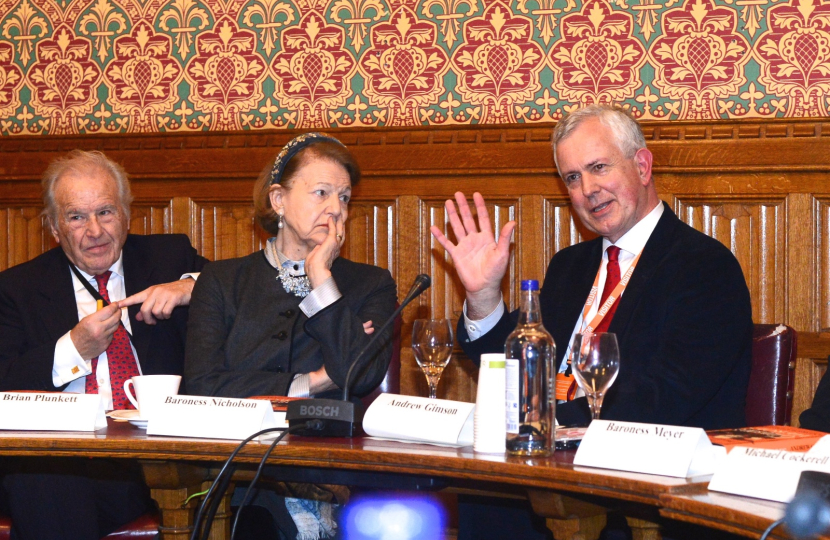
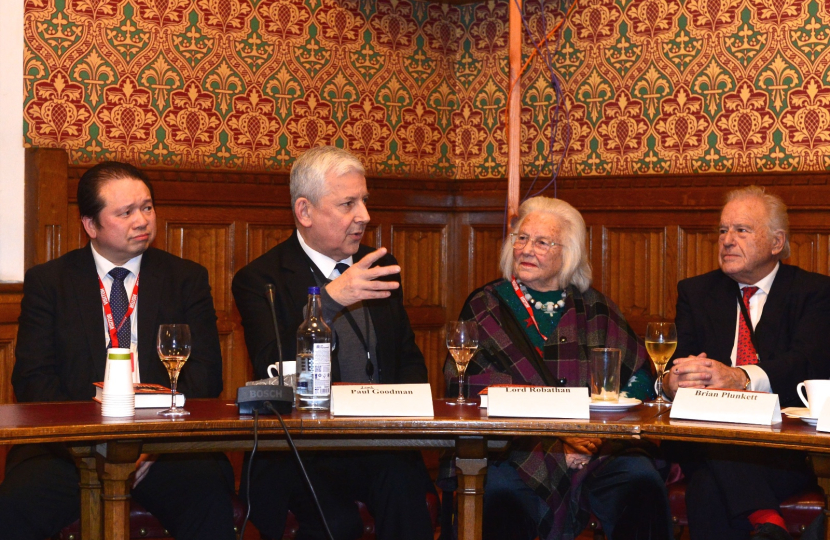
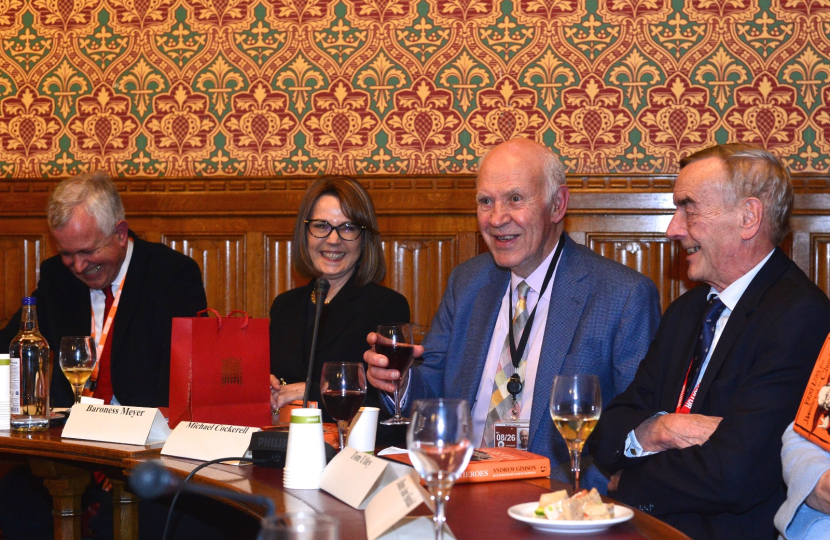
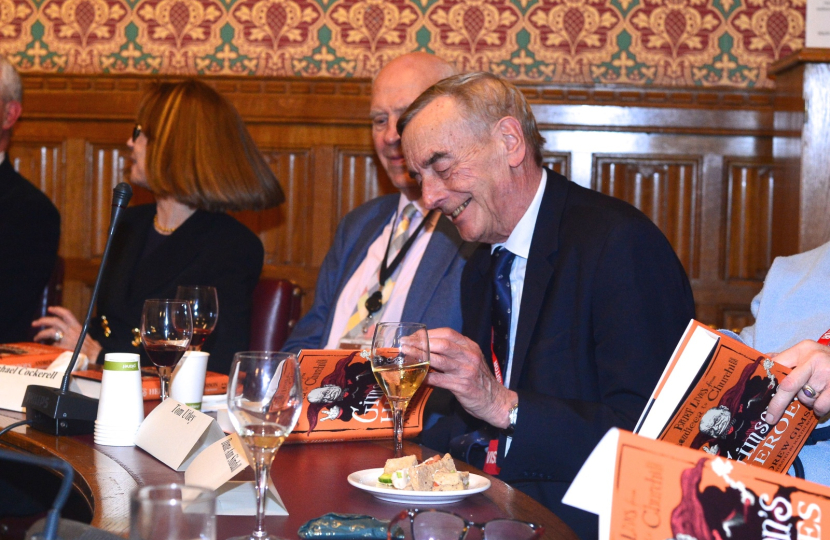
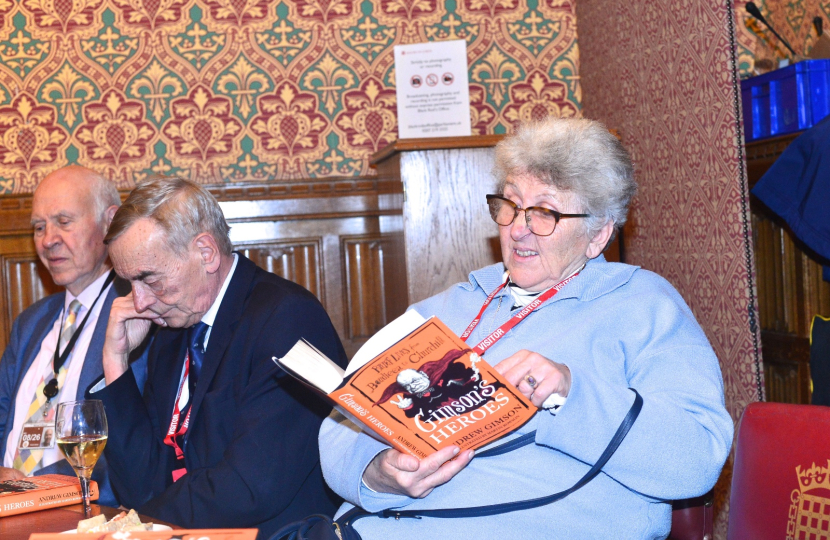
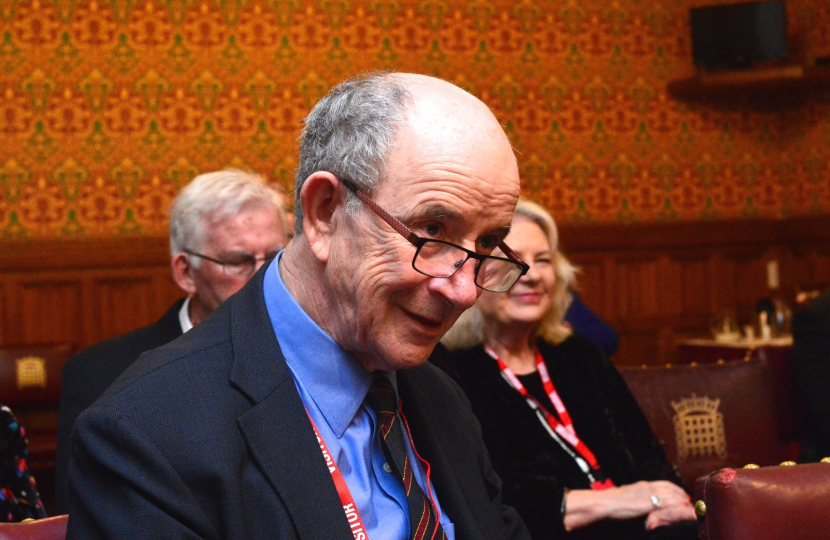
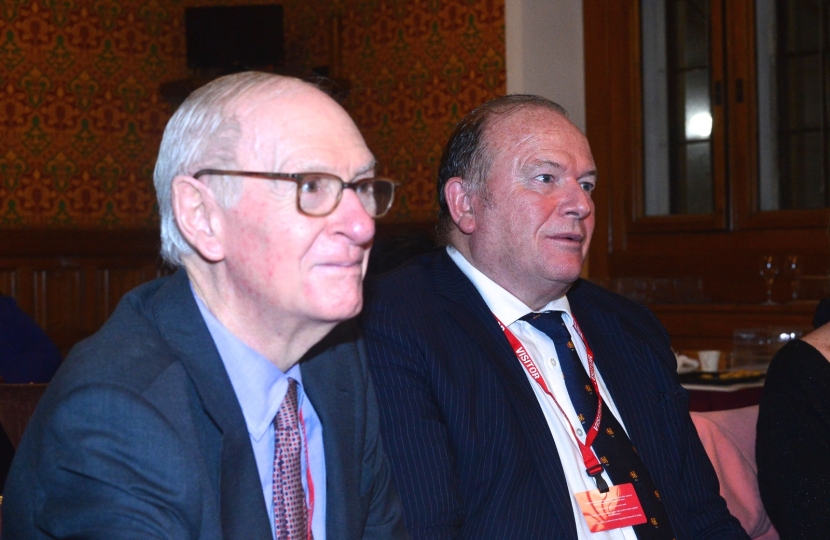
A talk by Andrew Gimson
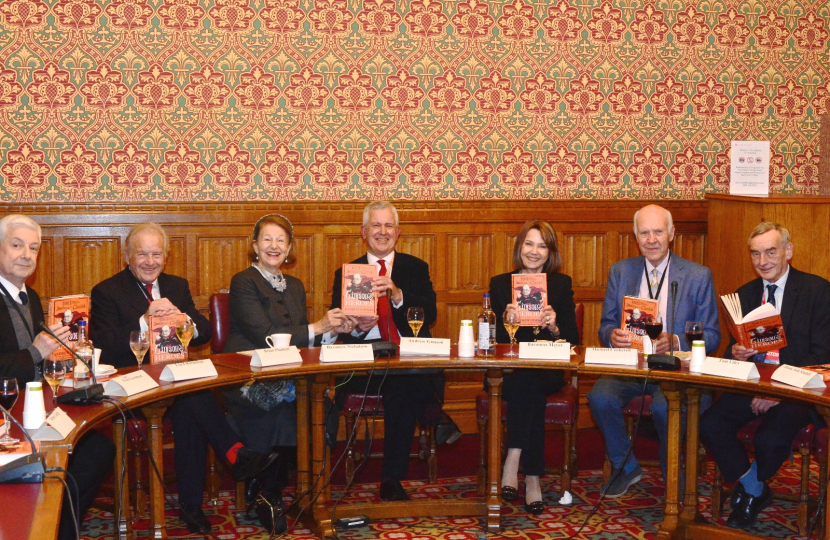
Catherine, Lady Meyer, Chairman of the CFCC, warmly welcomed Gimson, introducing him as a former Parliamentary sketch writer for the Daily Telegraph, a foreign correspondent and an author.
He moved to Berlin in 1994, which was three years before Lady Meyer and her husband were posted to Germany, but five years too late, as Gimson ruefully admitted, to cover the big story, the fall of the Berlin Wall.
Since returning to London in 2000, he has written two books about Boris Johnson, and three other volumes of brief lives, about the Kings & Queens of England since 1066, British Prime Ministers since Sir Robert Walpole, and American Presidents since George Washington.
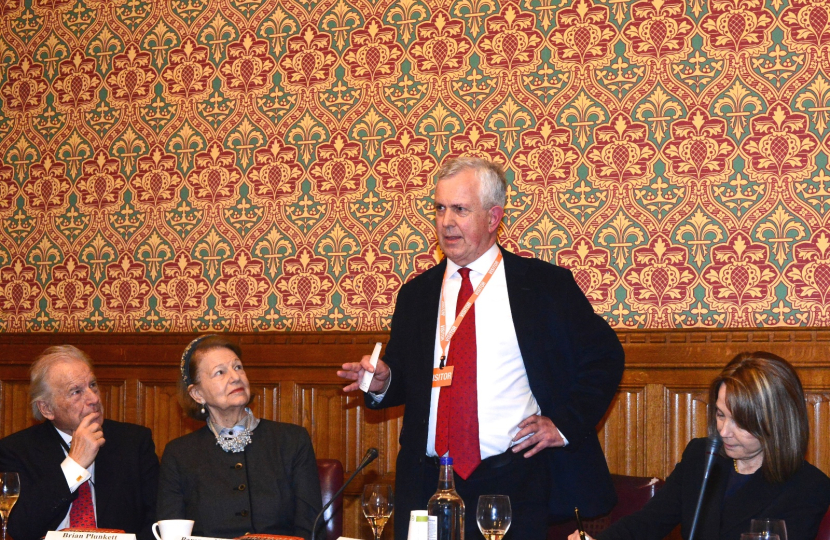
At the start of his talk, Gimson greeted various friends and former colleagues who were present, including Ann Sindall, whom he knew when they both worked for Boris Johnson at the Spectator; Tom Utley, celebrated and just retired Daily Mail columnist; Lord Goodman, until recently Gimson’s editor at ConservativeHome; and Michael Cockerell, who has profiled so many of the country’s leaders over a long and distinguished career as a maker of television documentaries.
Gimson recalled Sindall’s brilliance as gatekeeper for Johnson. On one occasion, a man rang up wanting to speak to Johnson and said in an airy tone, “He’ll know who I am.” Sindall said: “That’s fine, but I’m taking the message.” The man reluctantly gave his name, “Peter Mandelson”, to which Sindall replied: “Can you spell that please?”
Moving on to discuss how he had chosen his 50 heroes, Gimson talked about four of them: King Harold, Florence Nightingale, Winston Churchill and Horatio Nelson. Harold was defeated at Hastings by William the Conqueror, who proceeded to wipe out the English ruling class, reward his followers with its lands, cover the country with castles, make French the language of government, and suppress uprisings with terrifying cruelty.
But as Gimson pointed out:
“William was victorious, he imposed his will, yet almost a thousand years later we can see that his victory was by no means complete. Anglo-Saxon England flowed on as a deep, subterranean current in our national life, vanquished, oppressed, but never actually eradicated. In the seventeenth century people set out to cast off the Norman yoke and restore the freedoms which they believed had existed in Anglo-Saxon England.”
While writing the book, he realised that heroes “are for the most part rebels. They don’t accept the status quo, but do things which most people would not dream of doing, and often do not dream to be possible.”
Gimson proceeded to show the hero as rebel by pointing to Nightingale’s rebellion against her own family, when she joined the then disreputable occupation of nursing, followed by her tactful rebellion against the British military authorities, who insisted they were quite well able to look after sick and wounded British soldiers in the Crimea.
Churchill in the 1930s rebelled against the Conservative Party on India, and by supporting King Edward VIII during the Abdication crisis, as well as by warning, in defiance of public opinion and the great majority of the Establishment, that Hitler must be resisted rather than appeased.
Nelson, the greatest hero in Gimson’s book, “had the boldness, the intrepidity, to trust his own judgement”, and to disobey, at critical moments, the orders given by his superiors.
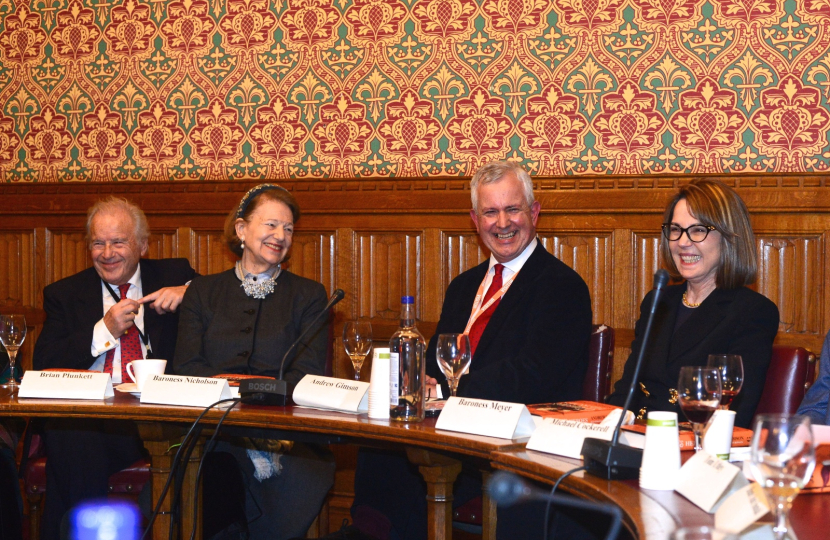
Time was made available for questions, of which there were many. Lady Meyer, as the chair of the meeting, had the prerogative to ask the first question, about whether any similarity could be drawn between Churchill and Boris Johnson. Gimson pointed out that a major difference is that Churchill while still a very young man sought out danger, and was under fire in many actual battles, which Boris Johnson was not.
Gimson answered the question barrage fully and with much laughter and humour. With interventions from his guest journalists, one strong message to emerge was that politicians should read and learn more from history, and spend less time defending their personal image.
Heartfelt thanks were given to Melissa Crawshay-Williams for organising the event, and to the speaker for a most entertaining, enjoyable and informative evening. Mince pies and wines followed.
William Knight
Photographer: Guy Lucas